

Travel Guides about Norway

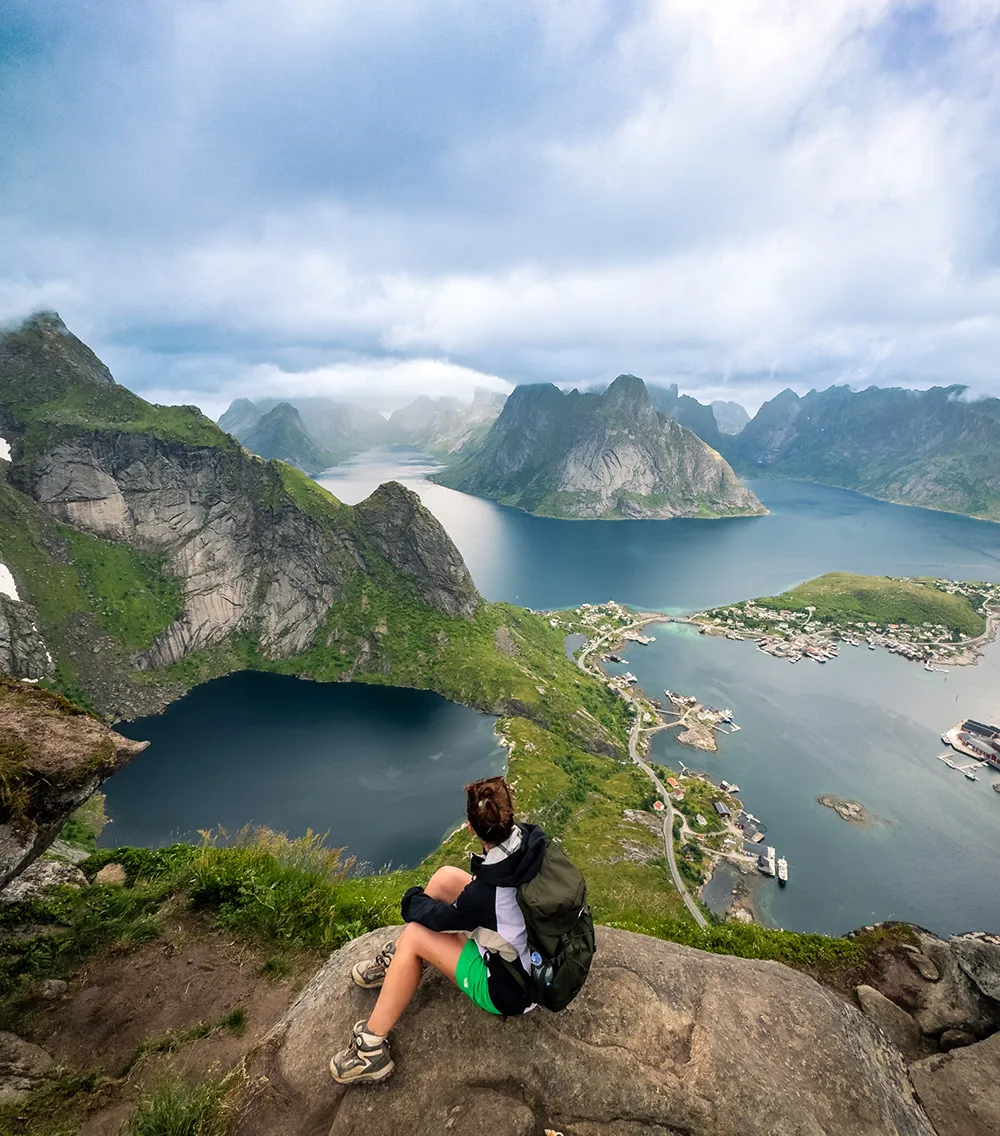
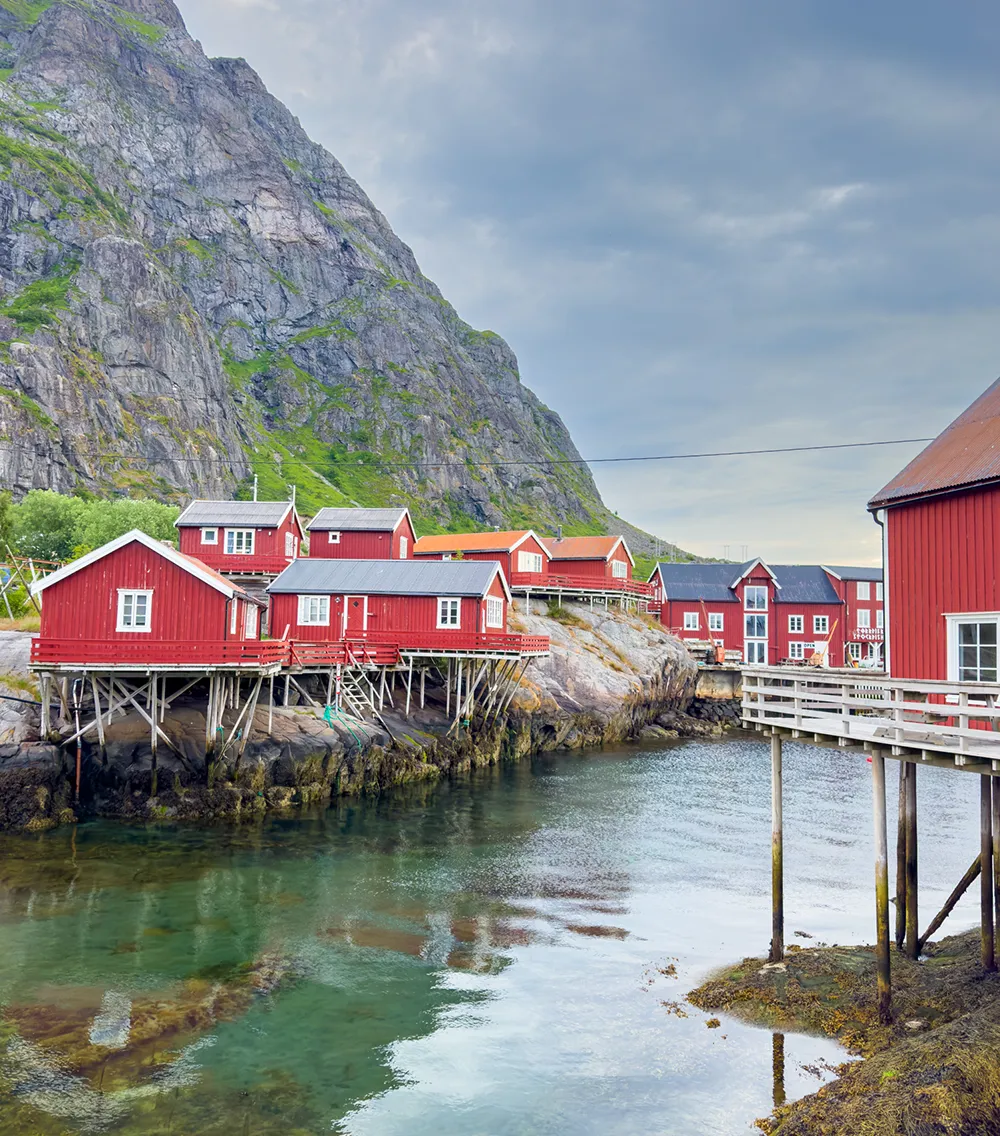
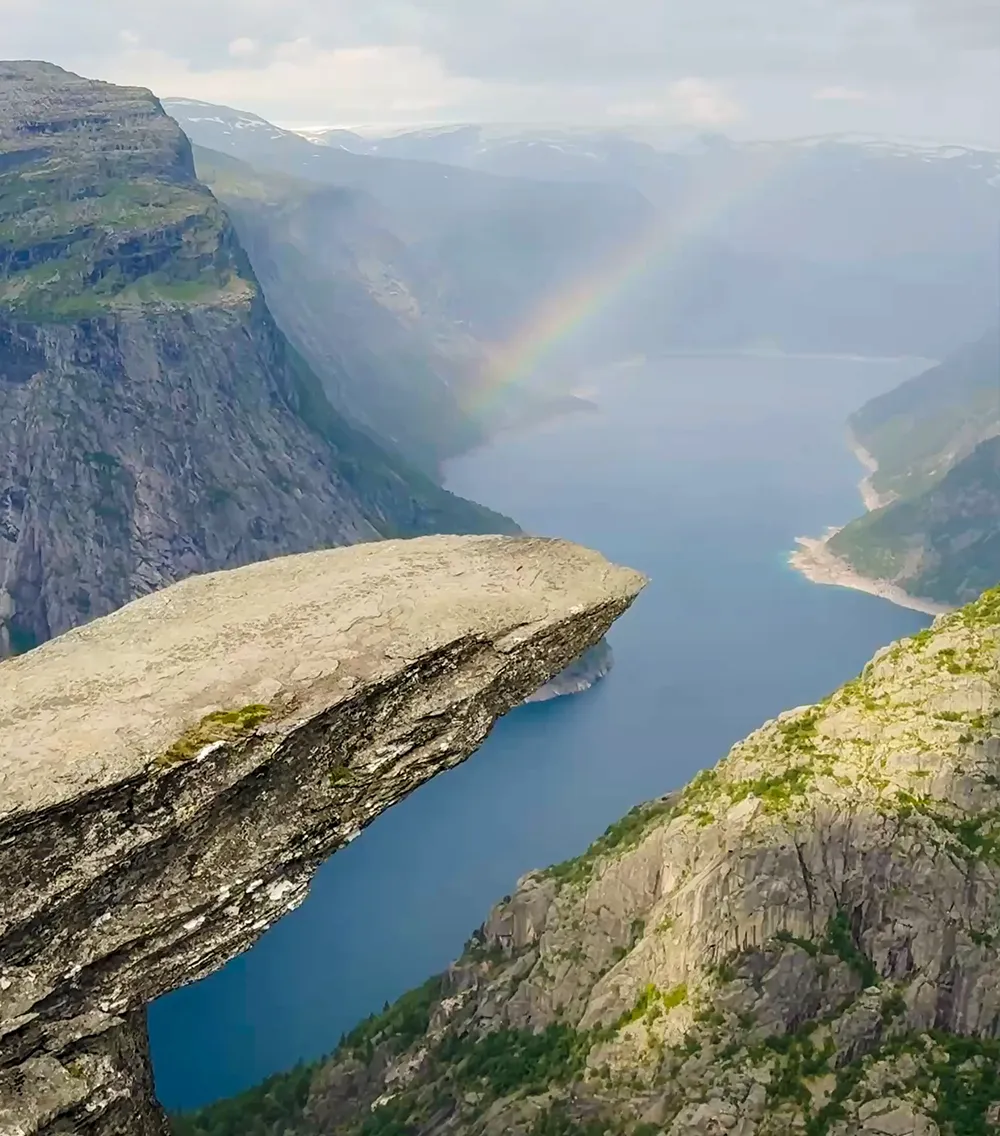
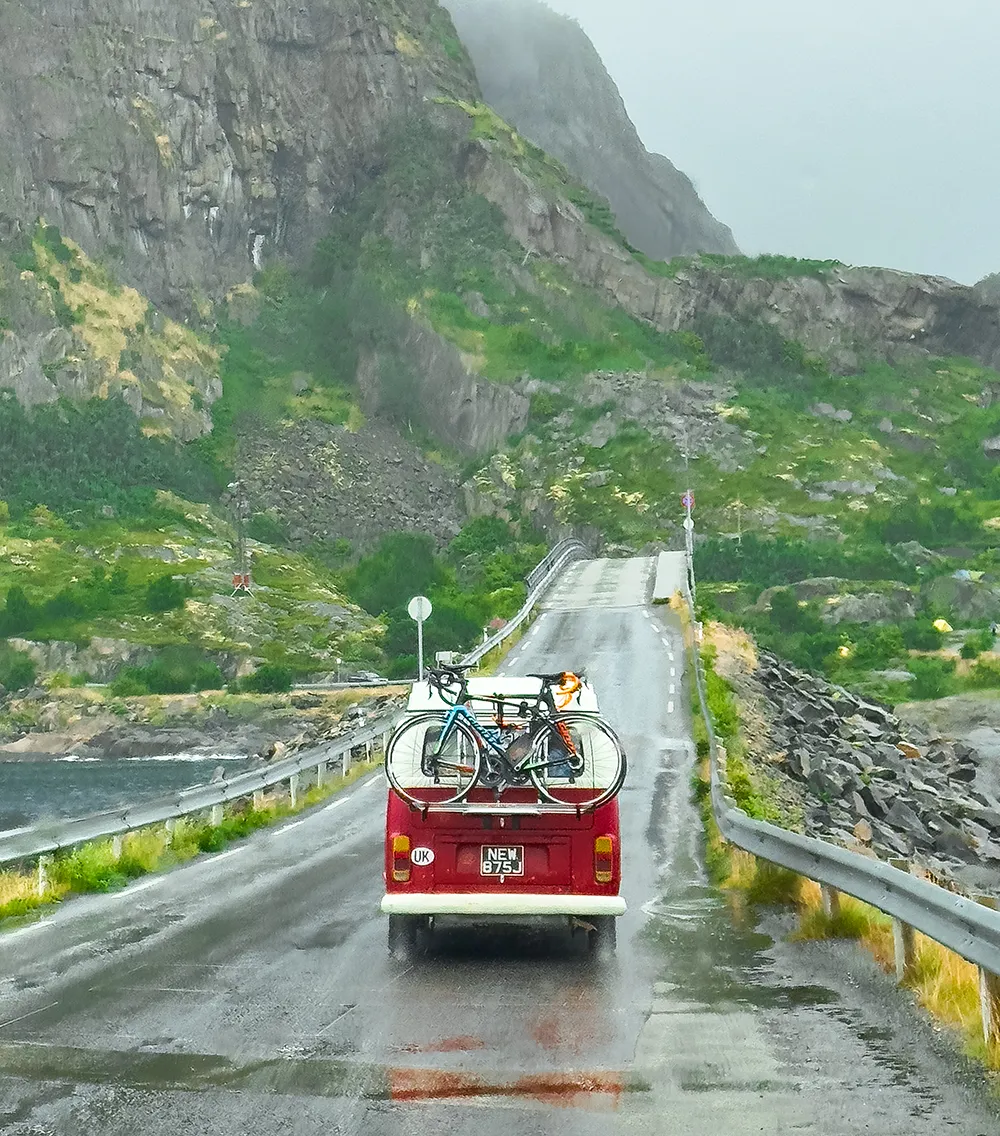
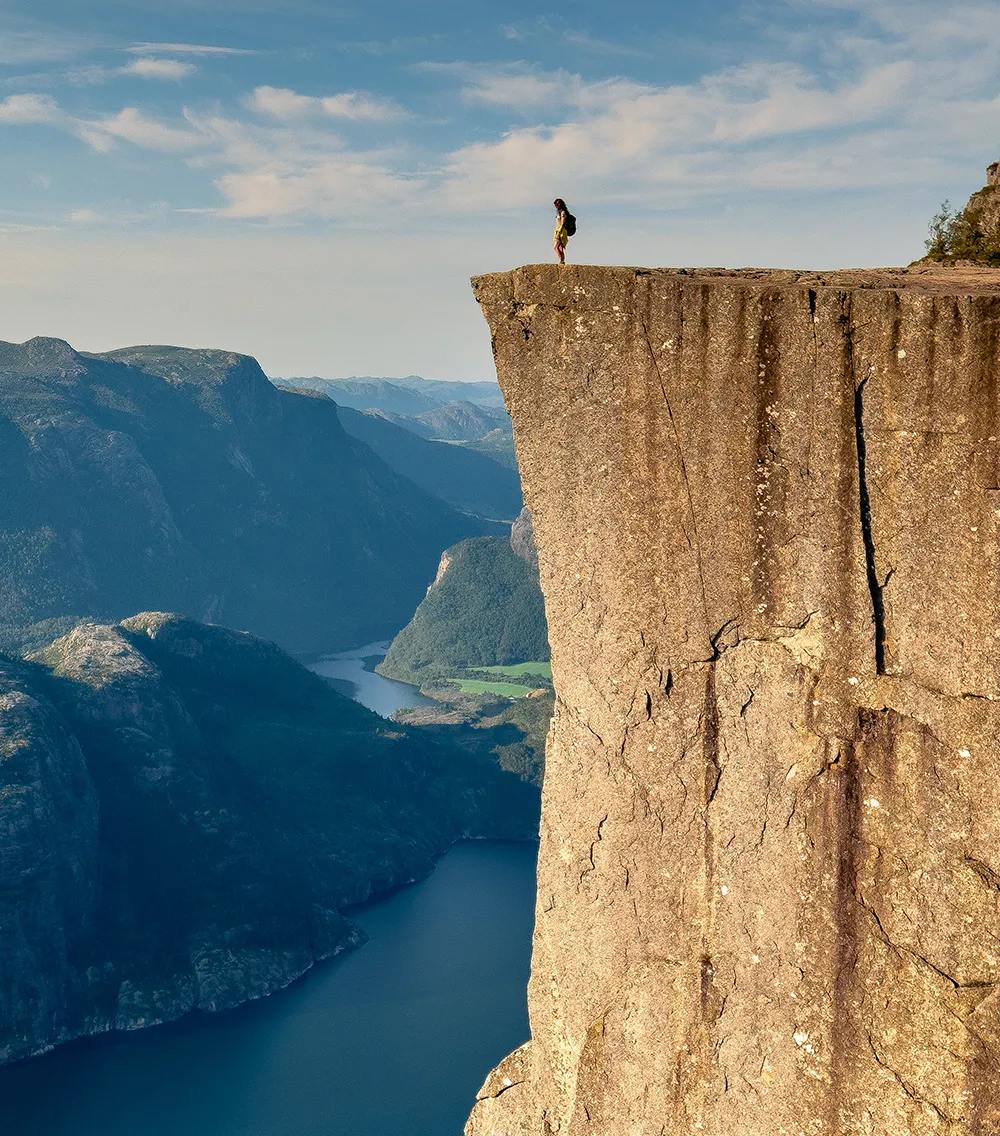
Norway, the land of fjords and northern lights, invites you to lose yourself in the majesty of its dramatic landscapes and embrace the tranquility of its pristine wilderness.
 
When to Visit
When to visit
May through September for hiking and sightseeing, or December through March for northern lights and winter activities.
Currency
Currency
The currency of Norway is the Norwegian Krone (NOK). 1 Norwegian Krone is equivalent to 0.09 USD.

Weather in Norway

Norway has a varied coastal and continental climate influenced by the Gulf Stream, creating milder conditions than other regions at similar latitudes. Along the coast, winters are relatively moderate with frequent precipitation, while summers are cool and pleasant. Inland and northern areas experience much colder winters with heavy snowfall and short, mild summers with long daylight hours. The western fjord regions receive significant rainfall year-round, while eastern valleys tend to be drier. Spring and autumn are transitional seasons, bringing dramatic landscapes with melting snow and waterfalls in spring, and golden foliage in autumn. However, summer remains the most popular time to visit for outdoor adventures and the midnight sun.

-2°C

🌨️

Jan

-2°C

🌨️

Feb

2°C

🌦️

Mar

7°C

🌦️

Apr

13°C

🌥️

May

17°C

🌥️

Jun

18°C

☀️

Jul

17°C

☀️

Aug

12°C

🌦️

Sep

7°C

🌦️

Oct

2°C

🌨️

Nov

-1°C

🌨️

Dec

Best Activities in Winter

Northern lights viewing, dog sledding, skiing and snowboarding, snowmobiling, ice fishing, visiting ice hotels, fjord cruises with winter landscapes, whale watching (orcas), reindeer sledding, snowshoeing, and Christmas markets.

Best Activities in Spring

Hiking with snow-capped mountains and waterfalls at peak flow, witnessing the landscape transform from winter to green, fjord sightseeing, cross-country skiing (early spring), birdwatching, and experiencing the lengthening daylight hours.

Best Activities in Summer

Midnight sun viewing (above Arctic Circle), hiking, kayaking, cycling, fjord cruises, fishing, swimming, camping, exploring coastal islands, visiting cities like Oslo and Bergen, and attending outdoor festivals.

Best Activities in Autumn

Viewing autumn foliage, hiking with fewer crowds, experiencing early northern lights (from October), whale watching, photography of golden landscapes, visiting less crowded tourist sites, and enjoying harvest season foods.

Recent Posts

Travel Tips

Citizens of the EU/EEA, US, Canada, Australia, and many other countries can visit Norway visa-free for up to 90 days within a 180-day period. Norway is part of the Schengen Area, so a Schengen visa applies. Always check current requirements based on your nationality before traveling.

Yes, Norway is one of Europe’s most expensive destinations. Accommodation, dining, and transportation costs are significantly higher than in most countries. Budget travelers should consider camping, cooking their own meals, and using public transport to manage costs effectively.

The official language is Norwegian, but English is widely spoken, especially among younger generations and in tourist areas. Most Norwegians speak excellent English, so communication is rarely a problem for English-speaking visitors.

The best time to see the northern lights in Norway is from late September to late March, with peak viewing from December to February. You’ll need to be north of the Arctic Circle in areas like Tromsø, and clear, dark skies are essential for optimal viewing.

Yes, Norway is one of the world’s most cashless societies. Credit and debit cards are accepted almost everywhere, including small cafes, public transport, and even some public toilets. Many places prefer card payments, and some don’t accept cash at all.

How to Get There

By Airplane

Norway is well-connected internationally with major airports in Oslo (Oslo Gardermoen Airport), Bergen (Bergen Flesland Airport), and Stavanger (Stavanger Airport Sola). Other airports, like Trondheim, Tromsø, and Bodø, provide convenient access to specific regions and northern destinations. Airlines such as Norwegian, SAS, and Widerøe offer connections within Scandinavia and Europe.

By Train

If you are in Europe, Norway’s train services connect to Sweden via routes from Oslo to Gothenburg and Stockholm. The scenic Bergen Railway and Flåm Railway are popular tourist routes. NSB (Vy) operates these services, making rail travel a comfortable and spectacular option through Norway’s dramatic landscapes.

By Ferry

Ferry routes link Norway with Denmark, Germany, and Sweden, as well as connections between Norwegian coastal cities. Key ports include Oslo, Bergen, Kristiansand, and Stavanger. The famous Hurtigruten coastal voyage connects cities along Norway’s western coast from Bergen to Kirkenes.


How to Get Around

Trains

Norway has a scenic rail network operated by Vy, offering routes between major cities such as Oslo, Bergen, Trondheim, and Stavanger. Regional trains connect smaller towns, though service to remote areas may be limited. The train journeys themselves are often highlights of visiting Norway.

Buses

Long-distance buses like Vy Bus, Nor-Way Bussekspress, and FlixBus cover areas not accessible by train, particularly in northern and rural regions. They are affordable and reliable, making them essential for reaching fjord areas and smaller towns.

Driving

Renting a car is ideal for exploring fjord regions, mountain routes, and remote areas. Keep in mind that driving is on the right side, and toll roads are common (automatically charged via license plate). Winter driving requires experience with snow conditions.

Cycling

Cycling is popular in cities and scenic regions, with dedicated bike lanes in urban areas. The Rallarvegen route and coastal paths are particularly beautiful. Many cities offer bike-sharing services like Oslo City Bike.

Ferries

Ferries are essential for crossing fjords and reaching islands, forming part of Norway’s highway system. Many routes are operated by local companies and are included in road tolls or charged separately.

Public Transport

Cities like Oslo, Bergen, and Trondheim have efficient public transport systems, including buses, trams, and metro lines (Oslo). Tickets are often valid across multiple modes of transit and can be purchased via mobile apps.


SIM Card Options

Local SIM Cards

You can purchase SIM cards at airports, mobile stores, and convenience shops. Major providers include:

  • Telenor: Norway’s largest provider with excellent nationwide coverage.
  • Telia: Offers high-speed internet and reliable coverage, especially in urban areas.
  • Ice.net: Budget-friendly options with good coverage in populated regions.
  • Lyca Mobile: Affordable prepaid plans suitable for short-term visitors.

eSIM Card Options

  • Airalo: Prepaid eSIMs with various data plans for Norway and Europe.
  • Holafly: Offers unlimited data plans, ideal for short-term stays.
  • Nomad: Flexible eSIM solutions with regional and global options.

Telenor and Telia also support eSIMs for compatible devices.

What to pack for Norway

  • Passport and Visa
  • Adapter/Converter
  • Credit/Debit Cards
  • Cash (NOK)
  • Waterproof Hiking Boots
  • Warm Layered Clothing
  • Waterproof Jacket
  • Thermal Underwear
  • Windproof Outer Layer
  • Sunglasses
  • Sunscreen
  • Camera or Smartphone
  • Waterproof Bag or Backpack Cover
  • Hat and Gloves
  • Insect Repellent

Get the ultimate packing list for Norway

Sign up now and get the perfect packing guide for your trip to Norway that includes all seasons and various activities.

Norway Suggested Daily Budget

on-budget-icon

On Budget

€100 - €120 per day

This budget typically covers staying in hostels or budget hotels (€50 to €70 per night). Dining options include simple meals at supermarkets, bakeries, or affordable cafeterias, costing about €15 to €20. You need to use public transportation to travel between cities and attractions. You can do free experiences such as hiking in national parks, exploring free museums on certain days, or enjoying scenic viewpoints.

on-budget-icon

Mid-range

€150 to €300 per day

This budget allows for comfortable accommodations in mid-tier hotels or Airbnb options (€80 and €150 per night). You can dine at casual restaurants and try local Norwegian cuisine like seafood and traditional dishes. You can use a mix of public transport, ferries, and occasional taxis. Additionally, with this budget, you can participate in guided tours, fjord cruises, and visits to popular attractions.

on-budget-icon

Luxury

€350+ per day

With this budget, you can stay in luxury hotels, boutique lodges, or unique accommodations like fjord-side resorts that typically cost upwards of €250+ per night. You can dine at fine-dining restaurants and enjoy gourmet meals featuring fresh Norwegian ingredients. For transportation, you can have private transfers, rental cars, or helicopter tours. This way, you can explore the stunning fjords and mountains at your own pace. This budget also accommodates exclusive experiences such as private northern lights tours, luxury fjord cruises, or premium wildlife safaris.