

Car Camping Setup for an Epic Pyrenees Road Trip
Discover how to transform your regular car into the perfect Pyrenees camping setup. Budget-friendly tips, essential gear, and lessons from our April road trip through the French and Spanish Pyrenees.
Discover how to transform your regular car into the perfect Pyrenees camping setup. Budget-friendly tips, essential gear, and lessons from our April road trip through the French and Spanish Pyrenees.
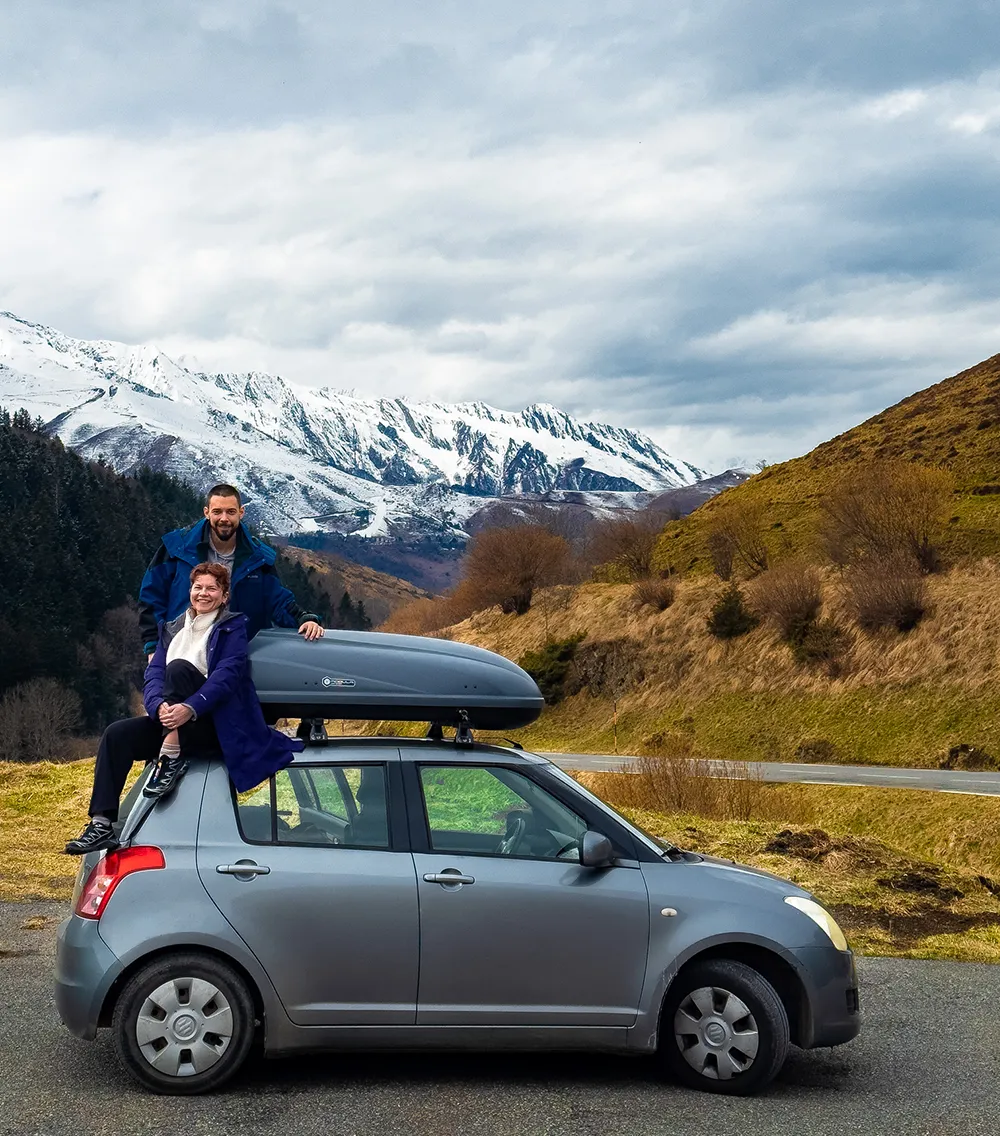
When we decided to explore the Pyrenees mountains, we faced a choice: spend €100+ per day renting a camper van, or transform our humble Suzuki Swift into a mobile exploration base. We chose the latter—and it turned out to be the best decision we made.
A small car with the right setup gave us something no van could: the freedom to drive the narrow mountain passes of Col d’Aspin to the summit, park at hidden viewpoints, explore remote villages like El Pont de Suert, and change plans at a moment’s notice without worrying about fitting an oversized van.
This guide is the result of weeks of real experience camping and road tripping through the Pyrenees—what worked, what didn’t, and what we’d do differently next time.
Before we dive into gear, let’s talk about why the Pyrenees mountains are ideal for this style of travel
From fully organized campgrounds with hot showers and amenities (€10–15 per person) to free wild camping spots with jaw-dropping views, you’re spoiled for choice. The French side tends to be more structured and regulated, while the Spanish side feels looser and more relaxed.
Nothing is ever too far away. You can cross from one side of the range to the other in about 5–6 hours, making the Pyrenees ideal for short road trips without endless hours behind the wheel.
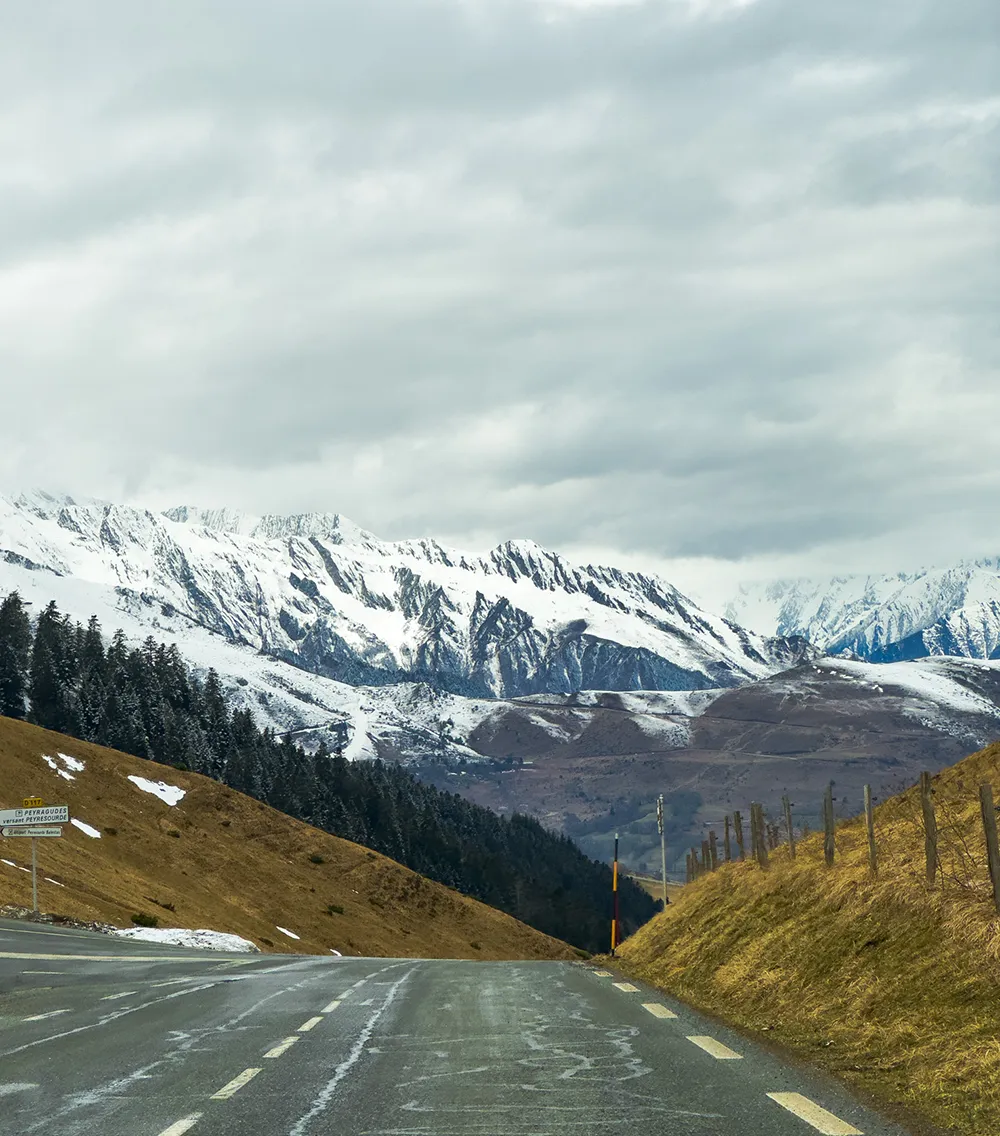
The legendary mountain passes, like Col d’Aspin and Col du Tourmalet, are narrow, steep, and full of tight hairpins. A small, agile car isn’t a compromise here; it’s actually an advantage.
Almost every village has a public fountain (marked “eau potable” in France). Refilling your bottles is easy, free, and part of daily life.
You’ll find supermarkets in every major town, prices are reasonable, and cooking your own meals is simple, making it easy to travel well without spending much.
Let’s talk about what we packed into the Swift for weeks of mountain exploration.
The Swift is a compact hatchback, not exactly spacious. But with smart organization, it fits far more than you’d imagine.
We had the rear seats always down. We folded them from day one and left them that way the entire trip. This gave us a unified space from the trunk to the back of the front seats. Almost 160cm in length, which was enough for all our gear.
Roof box = game changer. We bought a used Thule-style roof box (€180 from the marketplace) and it was the best investment. In there went: tent, sleeping bags, the table, toilet paper, extra jackets, clothes we didn’t need daily, the portable washing bag, and many more things. It freed up so much interior space that we felt comfortable.
The next thing we did was to organize things in layers. We put in the bottom, heavy items such as large water bottles, our power station, and spare equipment. In the middle, we placed soft bags with clothes, our fridge, and food. At the top (roof box), we placed lightweight but bulky items.
We didn’t bring (and didn’t miss) hard suitcases, large camping chairs, or extra gadgets. Every item that went into the car had to justify its space.
Let’s be clear, the Swift is too small for two adults to sleep comfortably inside. We tried it once in an emergency (when our target campground was full), and it was cramped.
But we didn’t need to. The Pyrenees offer so many options:
Our strategy was to sleep:
We had a 2-person tent that sets up in 5 minutes. We used it mainly at campgrounds. The car remained our “storage unit”. Everything was locked inside and secure.
Since it was April in the mountains, we needed a -5°C to -10°C comfort rating. Temperatures at mountain passes dropped sharply at night, even at campgrounds at 1,200m elevation, where we saw 2-3°C.
We used inflatable pads, not foam. More comfortable, better compression, and in the Pyrenees, the ground is often rocky.
If you’re planning mostly free camping spots, a rooftop tent (€500-1,200) changes the game. We didn’t have one, but it’s definitely on our wishlist.
Here, we made a mistake we paid for. We got a passive cooler (simple ice box) to save money, but the reality is that almost every night, we had to find a freezer to re-freeze ice packs. At campgrounds and at Airbnbs, it was easy, but when we did free camping in isolated villages, it became a headache.
The right choice is an electric 12V/220V cooler. The specific models we researched cost €200-400, but you have the following advantages:
For a Pyrenees road trip where you might spend days away from supermarkets (especially if you plan to go wild camping), an electric cooler is essential.
We didn’t bring a camping stove. Our idea was to cook at campgrounds or Airbnbs, and eat cold lunches (cheeses, cured meats, fruit) during the day.
This worked… kind of. The Pyrenees have excellent cheeses and charcuterie. The “picnic lunch” was always delicious. But there were many moments when we wanted hot coffee at the summit of Col d’Aspin in the morning, simple pasta at a viewpoint spot, or a hot tea after a rainy hike at Cirque de Gavarnie.
The right choice is a compact camping gas stove + gas canisters you can find at any Carrefour/Mercadona. Lightweight, portable, and gives you so much flexibility.
You will also need a basic nested set of pots, a pan, and cups where everything fits inside each other. €30-50 and you’re set.
The Pyrenees have some of Europe’s most spectacular mountain roads, which means endless photos, videos, and drone shots. 🙂
We had with us
This was the surprise. A simple portable washing machine we bought from temu costing €20-30 made a huge difference.
This portable washing machine requires electricity, and we can use it everywhere using our portable power station. It takes small clothes, and we use it mainly for socks and underwear.
This way, we could find campgrounds or Airbnbs without washing machines, and we could also wash our clothes in the wild.
April in the Pyrenees is famously unpredictable. One day we were enjoying 18°C in Andorra, and the next we were dealing with 4°C and sleet at Col du Tourmalet. Our approach was all about smart layering: merino wool or synthetic base layers (two to three sets), a warm mid layer like a fleece or lightweight down jacket, and a reliable waterproof shell with both a rain jacket and rain pants. We also always carried a warm beanie, gloves, and a buff for sudden temperature drops.

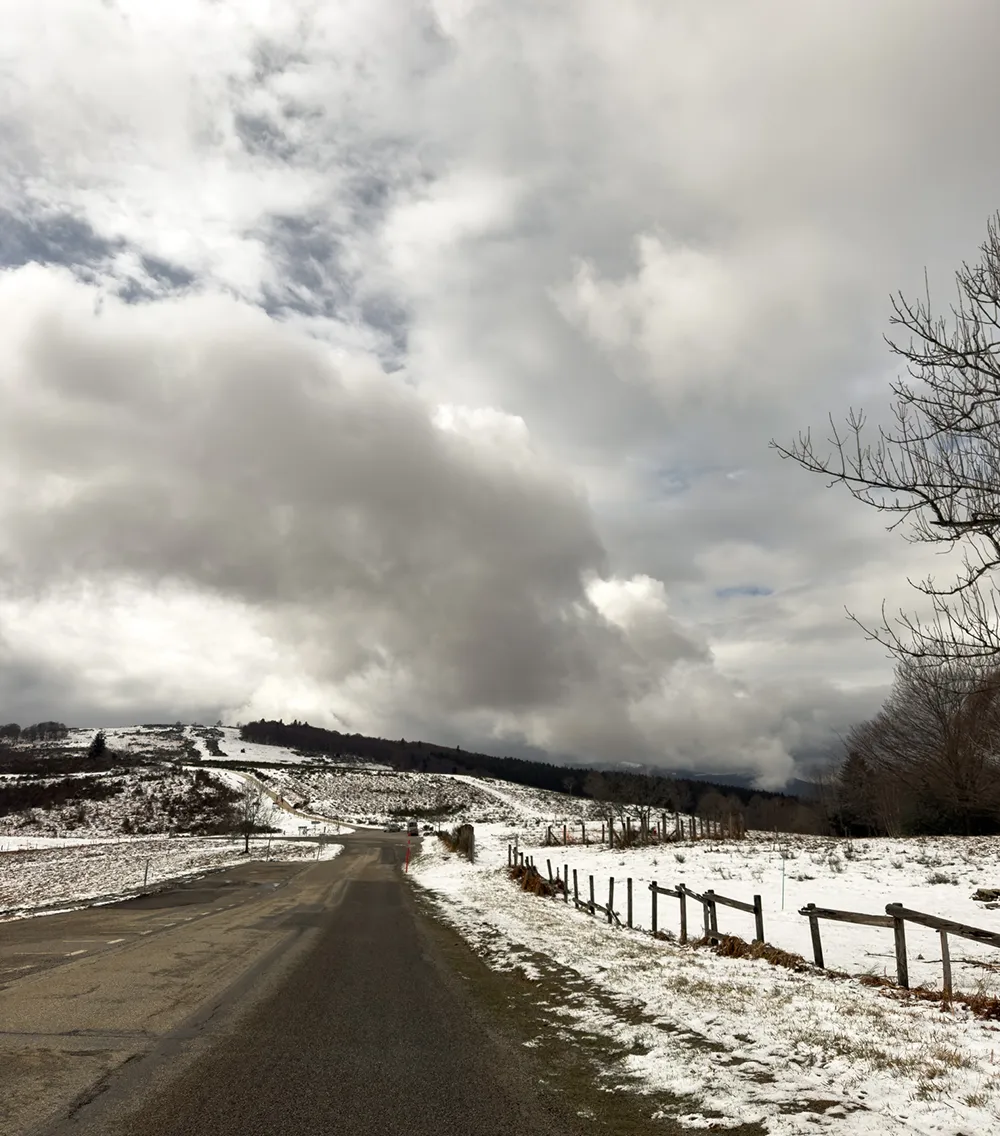
Navigation in the Pyrenees really demands offline maps, as cell signal is often spotty or completely nonexistent—especially at mountain passes—so we relied on Maps.me for free offline maps with hiking trails, downloaded the entire region on Google Maps before leaving, and carried a physical map as a backup for when everything else failed.
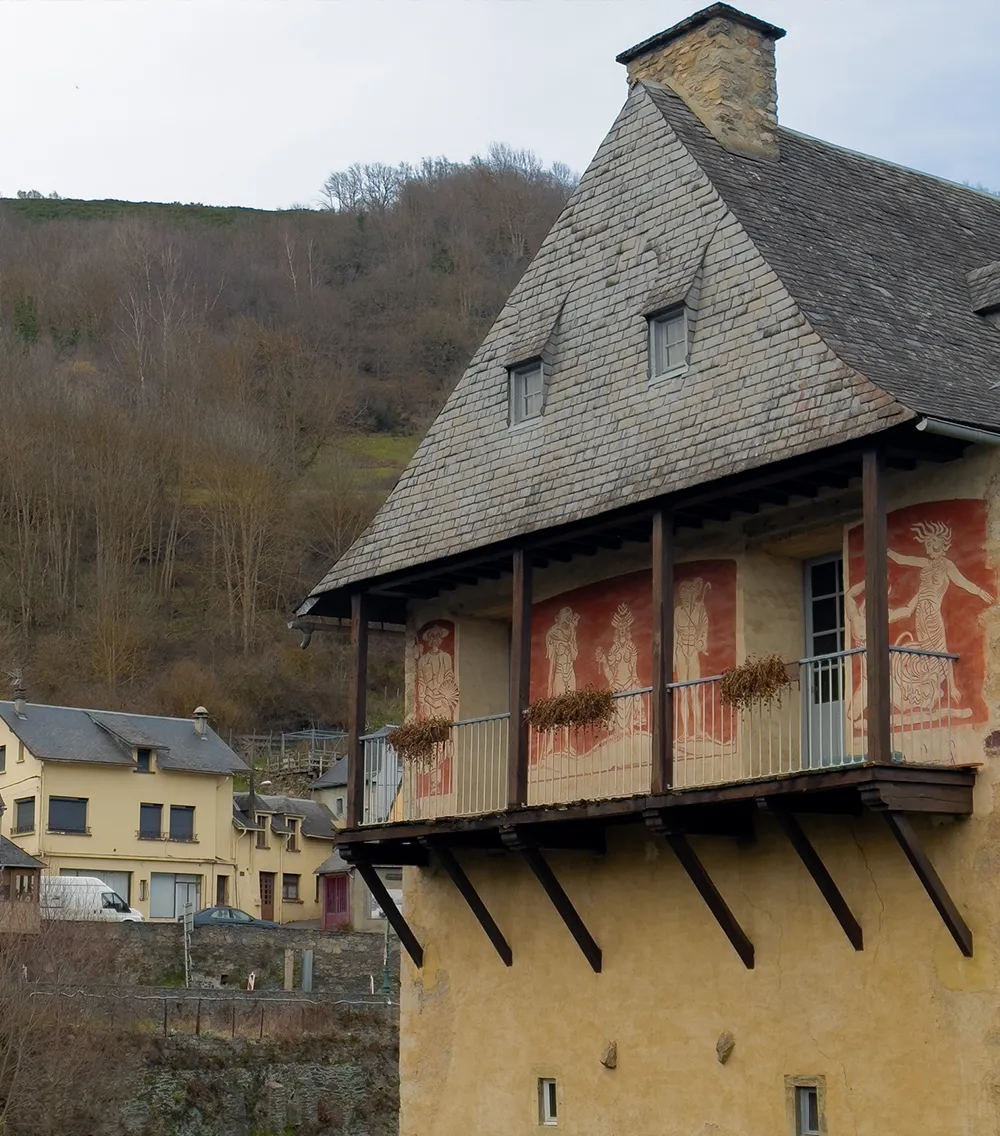
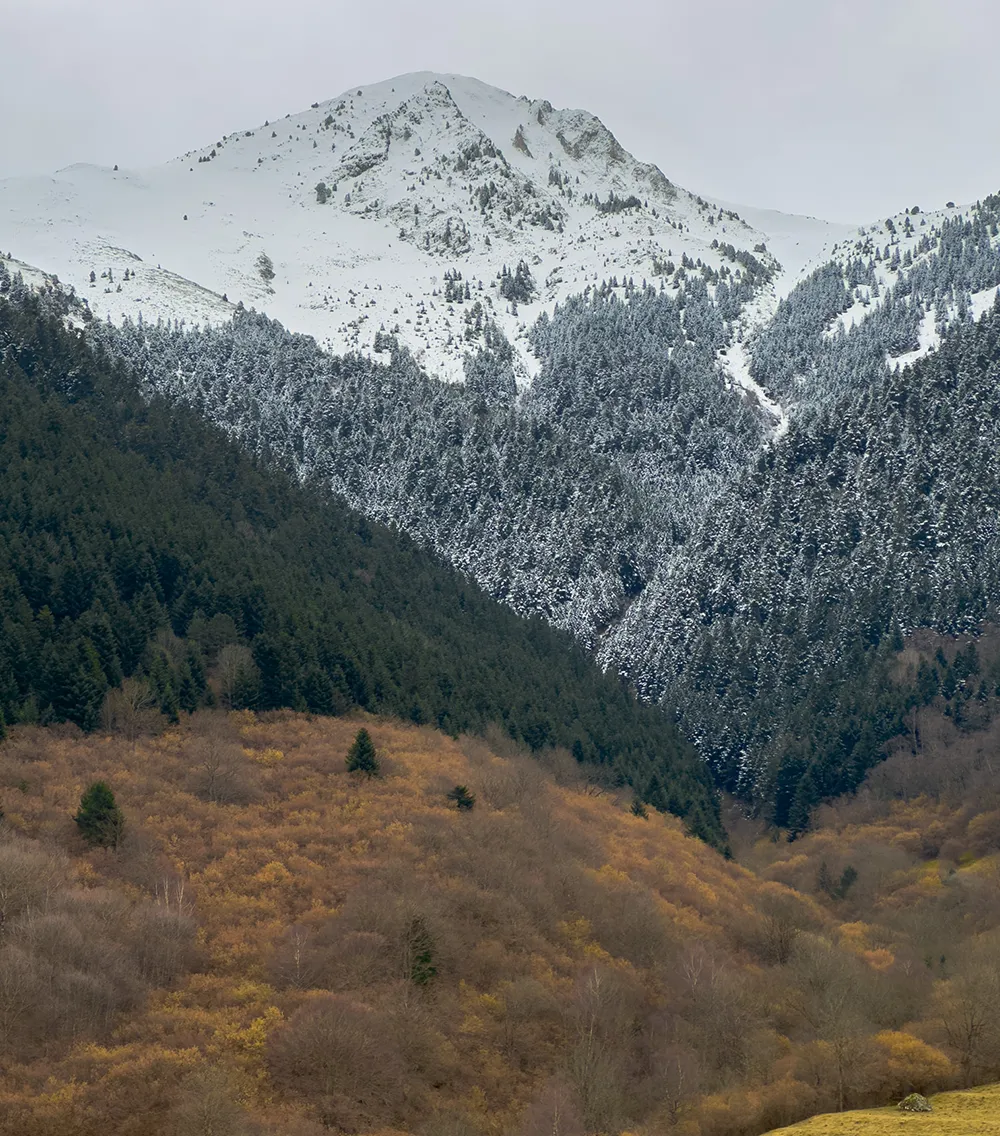
Weather in the Pyrenees deserves special attention, especially before attempting any mountain pass, as roads can close without warning due to snow. We learned this the hard way at Col du Tourmalet, which remained closed until early May. Before every drive, we checked info-route.fr for real-time road conditions in France, infocarreteras.es for updates in Spain, and relied on Météo France and AEMET for accurate weather forecasts. The key lesson: always have a Plan B route. If your primary pass is closed, knowing your alternative in advance can save hours—and sometimes an entire day—of backtracking.
For 10 days in the Pyrenees, 2 people.
Total: ~€820 for 2 people / 10 days = €41/person/day
Let’s be honest: car camping in the Pyrenees isn’t always comfortable. There were nights when the cold crept in, mornings when we woke up to condensation inside the tent, and moments when all we wanted was a hot shower and a proper bed. Spring weather, especially at altitude, can be unforgiving—and April doesn’t care about your plans. But that’s only half the story.
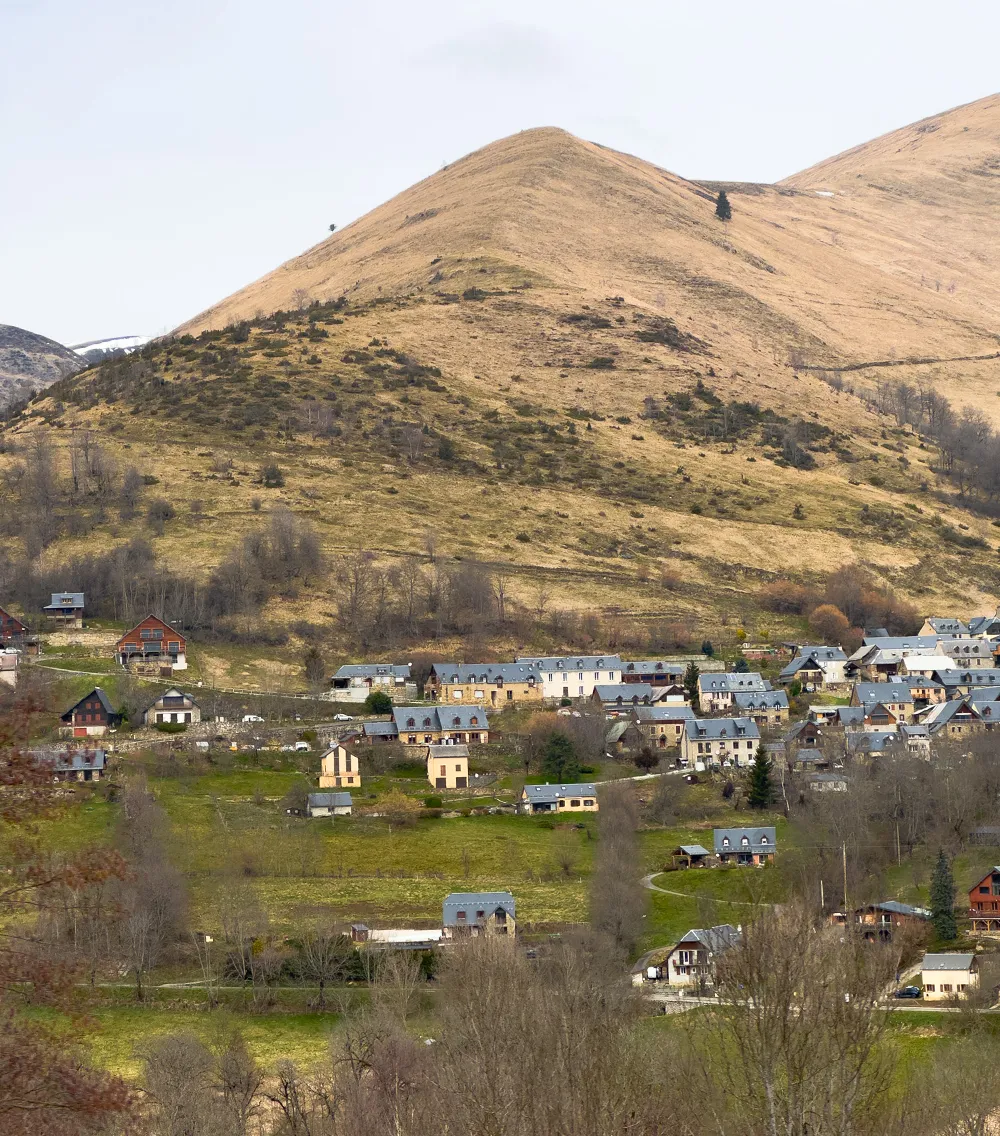
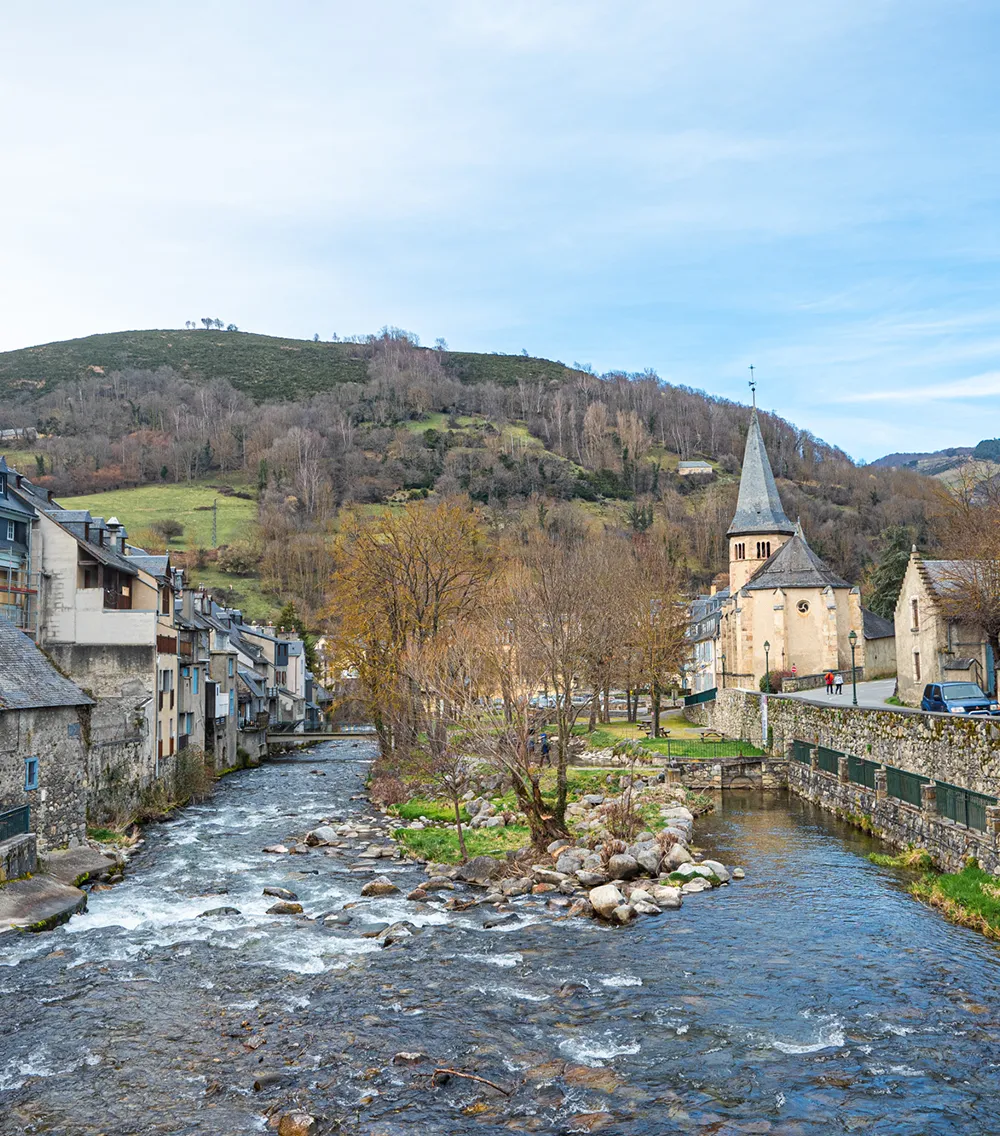
What stays with you are the highs. Waking up to panoramic views of the Cirque de Gavarnie, opening the car door to crisp mountain air, and realizing you’re already exactly where you want to be. Evenings cooking simple meals next to a river, with nothing but waterfall sounds and birds in the background. And those spontaneous moments—pulling over at a random viewpoint, looking at each other, and deciding, “Yeah, we’ll sleep here tonight.” That kind of freedom is hard to beat.
Driving a compact car through the Pyrenees is an underrated advantage. The narrow mountain serpentines, tight village streets, and high-altitude passes are often stressful—or impossible—for large camper vans. With a small car, you can explore remote roads, hidden viewpoints, and lesser-known passes that most travelers simply skip. It feels agile, intimate, and perfectly matched to the landscape.
Car camping in the Pyrenees isn’t the “cheap version” of van life. It’s a deliberate travel style. A choice to stay closer to nature, to remain flexible when weather or road closures force you to adapt, and to reach places that larger vehicles can’t. It also encourages more interaction with local communities, whether that’s staying at a small campground, chatting with hosts at a rural gîte, or shopping in village bakeries and markets.
In the end, road tripping and car camping in the Pyrenees is about freedom—freedom to change plans, chase good weather, and slow down when a place feels right. It’s imperfect, sometimes uncomfortable, but deeply rewarding. If you value flexible travel, mountain landscapes, scenic drives, and authentic experiences, car camping in the Pyrenees might just be exactly what you’re looking for.
Now that we have all the necessary information, it’s time to start planning your trip! To help you get started, we’ve compiled some helpful resources. By using our links to make purchases, you’ll be supporting us at no extra cost to you.
We truly appreciate your support! ♥️

No Comments