Van Life in Norway: A 14-Day Road Trip from Oslo to Nordkapp

Discover our unforgettable 14-day van life journey along Norway’s stunning west coast from Oslo to Nordkapp. Complete guide with tips, routes, and breathtaking fjord experiences for your Norwegian road trip adventure.

The trip we took to Norway is, without a doubt, in our top three travels so far โ€” and for many reasons. The most important one is that it was the first time we ever tried van life. Until then, it was just an idea, something we talked about more than we actually understood. Norway became the place where that idea turned into a real experience, day after day, road after road.

Our journey started in Oslo, went all the way up to the North Cape, and then back again to Oslo โ€” a full loop that took 14 days in total. Fourteen intense, beautiful, sometimes exhausting days that ended up being some of the best days of our 2025. Living on the road, sleeping by fjords, driving through beautiful landscapes, and moving north made the trip feel much bigger than the distance itself.ย 

How to Get To Norway

By Plane
Flying is the fastest and most common way to get to Norway. The main international gateway is Oslo Gardermoen Airport, which connects directly with most major European cities. Other international airports include Bergen, Stavanger, and Trondheim.

By Car
Traveling to Norway by car is a popular option for those coming from Sweden, Denmark, or Northern Europe. Norway shares a land border with Sweden and Finland, and the road network is well maintained, though distances can be long.

By Ship / Ferry
Regular ferries run from Denmark, Germany, and Sweden to cities such as Oslo, Bergen, Kristiansand, and Stavanger.ย 

By Train
Norway can also be reached by train via Sweden. International rail connections link cities like Stockholm and Gothenburg with Oslo.ย 

Flights to Norway

Useful Information regarding Norway

  • Currency & Payments: Norway uses the Norwegian Krone (NOK). You can pay by card almost everywhere, even for very small things like public toilets or parking. We rarely needed cash during the trip.
  • Cost of Living: Norway is an expensive country, especially when it comes to food, alcohol, and accommodation. Traveling by van helped a lot, as we cooked most of our meals and shopped at supermarkets. Alcohol is heavily taxed and can only be bought in special stores called Vinmonopolet, with limited opening hours.
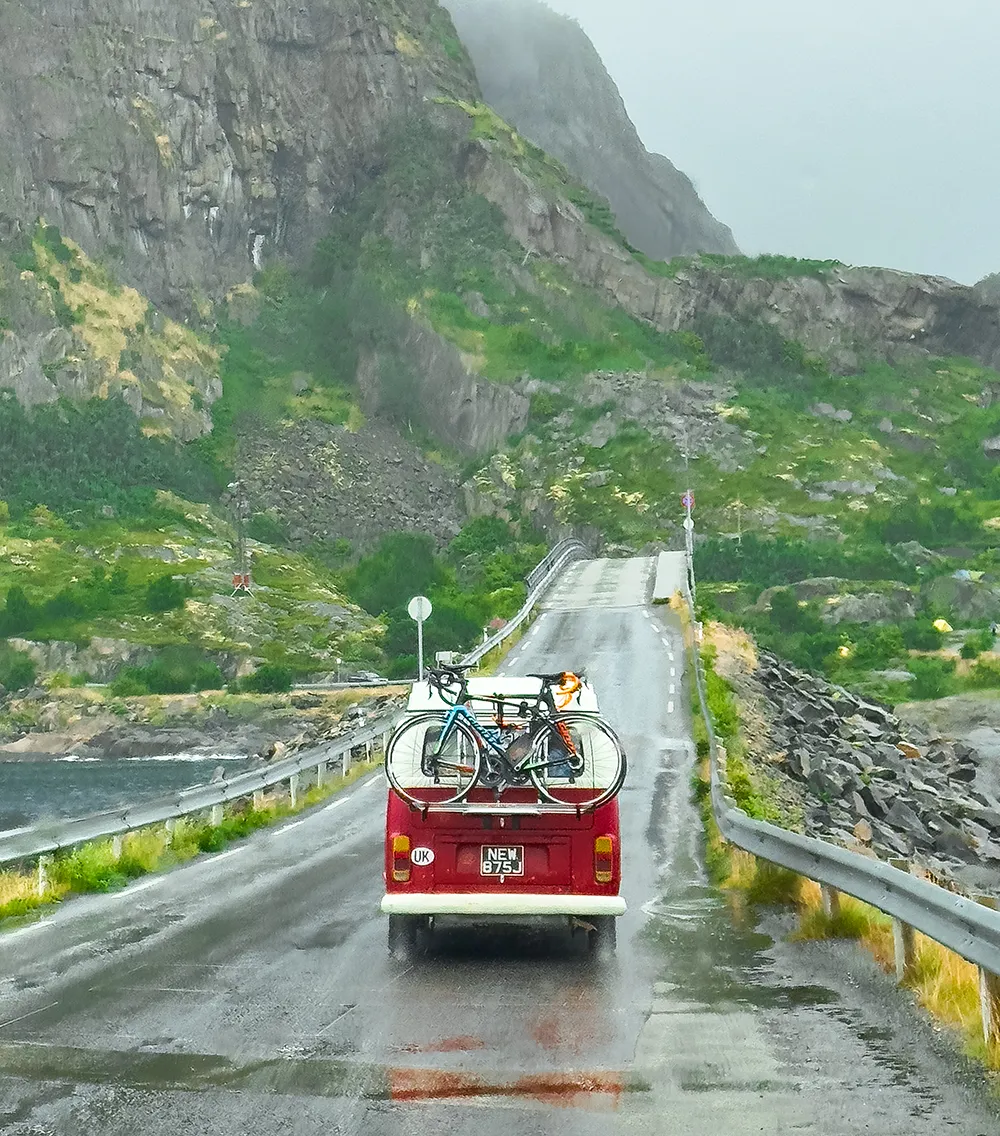
  • Roads & Driving: The roads are in great condition, but driving is slower than you might expect. Speed limits are low, and the scenery naturally sets the pace. Along the way, youโ€™ll pass through long tunnels, take ferries, cross mountain roads, and drive on narrow coastal routes. Tolls are common and are usually charged automatically.
  • Ferries: Ferries are part of everyday travel in Norway, especially along the west coast. They run often, are easy to use, and usually donโ€™t need advance booking for cars or vans. They also make the journey more interesting and scenic.
  • Wild Camping : Norway has a unique rule called Allemannsretten, which allows people to camp freely in nature as long as they respect the surroundings and stay away from houses. This makes Norway perfect for van life and outdoor travel.
  • Weather: The weather can change very quickly, even in summer. Itโ€™s normal to experience sun, rain, wind, and fog all in one day. Being flexible and dressing in layers makes a big difference.
  • The Midnight Sun: During summer in northern Norway, the sun never fully sets. This phenomenon is known as the midnight sun. Even late at night, it stays bright enough to feel like early evening, and darkness never really comes. Time feels different and the day seems to last forever. Itโ€™s a strange but unforgettable experience.

Rent a Van Norway

Renting a van in Norway is perfect for exploring the countryside. With several rental companies available, you can easily find a van that suits your needs. We recommend booking well in advance using price comparison sites like indie campers .

Road Trip Guide From Oslo to Nordkapp

Day 1

On our first day in Norway, we picked up the van we had rented and immediately hit the road. Our plan was to drive toward the area near Pulpit Rock, so we headed in the direction of Songesand, where we wanted to stay overnight and hike to Preikestolen the next day. At the beginning, driving the van felt very unusual. It was our first time traveling this way, and it took some time to understand how everything worked โ€” the power, the electricity, the water, and all the small things that come with van life.

That first evening already felt special. We stopped in a quiet meadow next to a river and prepared our meal there, surrounded by nature. Cooking outside, listening to the water flowing nearby, made us realize that this trip would be very different from anything we had done before โ€” slower, simpler, and much more connected to the places we were passing through.ย 

Total driving hours: 7!

Day 2

Pulpit Rock, Norway

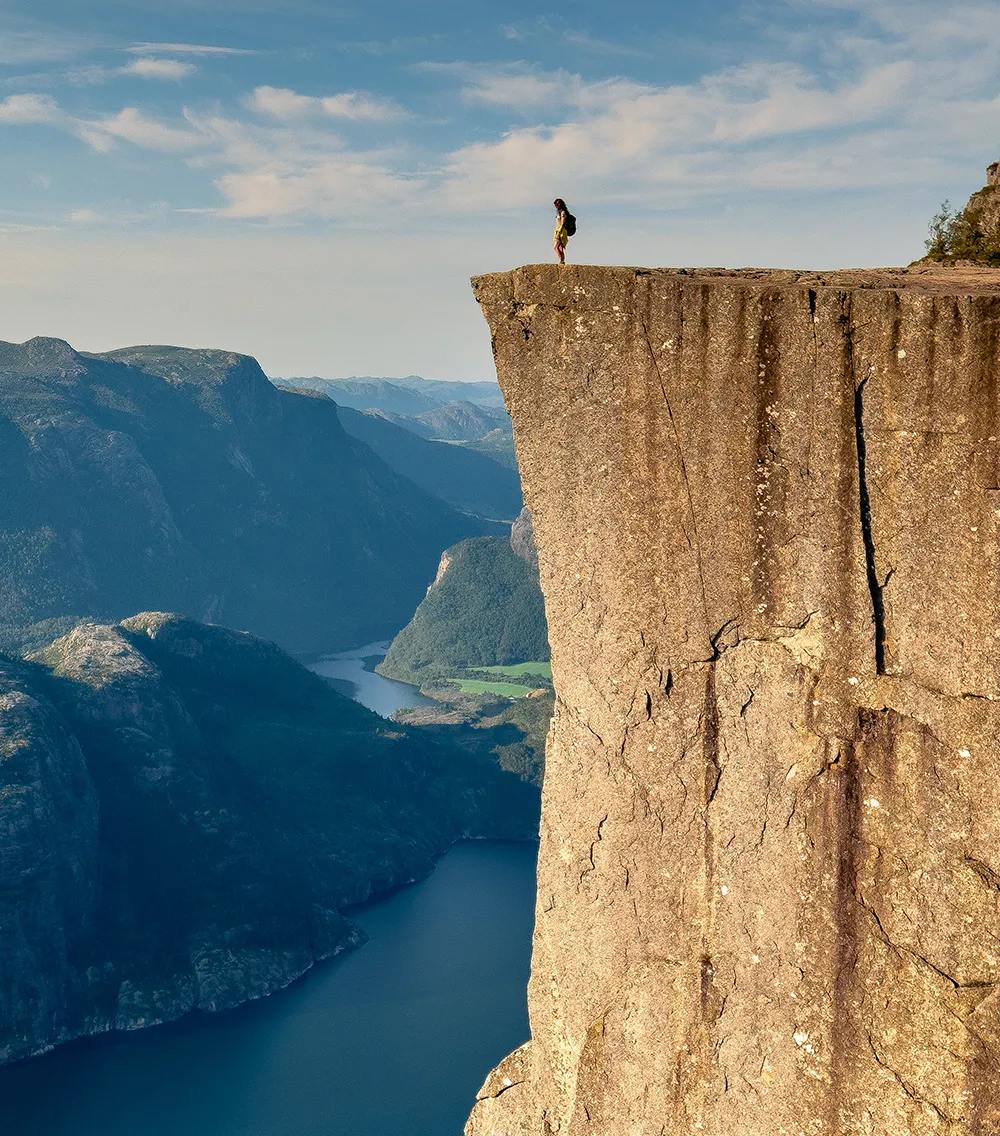
On the second day, we hiked to Pulpit Rock (Preikestolen). The trail is about 4 kilometers long, mostly rocky, and at times a bit demanding, but the views along the way make it absolutely worth it. As you climb higher, the landscape slowly opens up, revealing the fjord below in a way that feels almost unreal.

At the top, Pulpit Rock stands 604 meters straight above the fjord. The rock itself is a nearly flat, square formation, about 25 by 25 meters, hanging right over the edge. Standing there, looking straight down into the water, is both breathtaking and slightly terrifying. Itโ€™s easy to understand why this is one of the most photographed places in Norway.

We were driving toward the campsite where we planned to spend the night, as the next day we had already planned another hike. While following the road, something completely unexpected happened. We suddenly passed by Langfoss, a massive waterfall falling straight down the mountainside. We stopped immediately. Seeing so much water rushing down with such force, right next to the road, was overwhelming and impossible to ignore.

It was one of those unplanned moments that end up staying with you the most. After that stop, we continued to the campsite, still thinking about how powerful the landscape felt around us.

Total driving hours: 4!

Day 3

On the third day, we had planned the 24 km hike to Trolltunga, so we woke up at 4:30 in the morning, surrounded by a truly magical landscape. The trail starts near Skjeggedal and immediately demands focus and determination. The initial climb is steep and challenging, especially so early in the day, but once you get past that first section, everything changes.

The landscape slowly opens up into wide valleys, quiet lakes, and cliffs stretching as far as the eye can see. The trail feels endless at times, but the scenery keeps pushing you forward.

In the last few meters before reaching Trolltunga, the sky suddenly changed. Clouds rolled in, the temperature dropped, light rain started to fall, and the wind picked up. When we finally arrived, we saw a large number of people already there, waiting in line for a photo on the rock.

We did the same. Being there felt important โ€” it was a place we had seen in so many photos, and we really wanted to experience it for ourselves. Thanos, however, was completely exhausted from the long hike and didnโ€™t feel like waiting.ย 

So,ย  Trolltunga appears, a rock ledge hanging high above the lake Ringedalsvatnet. Standing there, after hours of walking, feels unreal. Itโ€™s one of those places youโ€™ve seen in photos so many times, yet nothing prepares you for the scale and the feeling of being there in person.

The most fascinating part of all was what happened next. The rain suddenly stopped, the clouds slowly opened, and a bit of sunlight broke through. Almost immediately, a rainbow formed in front of us, stretching across the landscape. That moment led to the photo taken (see below), with Alexandra standing on the rock, facing her fear of heights. It felt like the perfect ending to an already awesome hike.ย 

That day, after the long hike, we drove less than on any other day just to reach a nearby camping spot, giving us time to rest and recover.

Total driving hours: 2!

Day 4

On the fourth day, we were back on the road for many hours. Still, it never really felt tiring, because we kept stopping along the way, taking our time and admiring the incredible landscapes around us. Driving in Norway doesnโ€™t feel like just moving from one place to another โ€” the road itself is part of the experience.

That day, we saw a glacier for the first time in our lives, Briksdalsbreen. Standing so close to the ice, surrounded by mountains, felt surreal. Later on, we stopped for food by Lake Lovatnet, a place so calm and beautiful it almost didnโ€™t feel real. People were swimming in the cold water, others were reading books or simply relaxing by the lake, completely at peace.

After that, we continued toward Geiranger. As soon as we arrived, we took a boat trip into the fjord to see the famous Seven Sisters waterfalls up close.

We had planned to hike to the famous viewpoint overlooking the waterfalls from above. The idea was to take the boat into the fjord, hike up to the viewpoint, and then hike back down to catch the boat. The problem was that the boat tour we took turned out to be the last one of the day, which meant we had no choice but to walk the entire route back on foot.

The hike ended up being 8 kilometers in total, and we quickly realized we were not prepared at all โ€” we had no water with us. It was a tough test, both physically and mentally, especially after the days we had already had on the road. Still, we made it back safely.

Total driving hours: 7!

Day 5

On the fifth day, we left Geiranger and drove toward Trollstigen, one of the most famous mountain roads in Norway. The road is full of sharp hairpin turns and dramatic views, and driving there feels like moving through a postcard. We stopped a few times just to admire the view before continuing north.

Later that day, we reached the Atlantic Ocean Road. The road is about 8.3 kilometers long and runs right along the coast, connecting small islands with impressive bridges. The most iconic one is Storseisundbrua, with its dramatic curve over the ocean. Built in the 1980s and 1990s, the road is considered one of the most scenic drives in the world.

That night, we found a spot for wild camping, cooked our food, and enjoyed a quiet evening. After days full of movement, it felt good to slow down and end the day simply.

Total driving hours: 2!

Day 6

On the sixth day, we were on the road from 8 in the morning until around 5 in the afternoon. At some point along the way, we crossed the Arctic Circle, and the landscape slowly changed. Everything felt more wild, raw, and untouched.

Late that night, at 11:30 pm, we took the ferry to Lofoten and arrived around 3 in the morning. Even then, it was still bright outside โ€” it felt more like 7 am than the middle of the night. Sleeping in Lofoten turned out to be harder than expected. All the campsites were full, and during summer there are always a lot of people around. Wild camping is also not always easy and is not allowed close to houses, which makes sense.

So when we got off the ferry, completely exhausted, we simply followed other campervans and ended up in a parking area where we slept until 9 in the morning. It was an unforgettable experience, and we still laugh about it. At the time, we were a bit worried it might not be allowed, but we were too tired to search for alternatives and just trusted the flow, like everyone else.

Total driving hours: 9!

Day 7

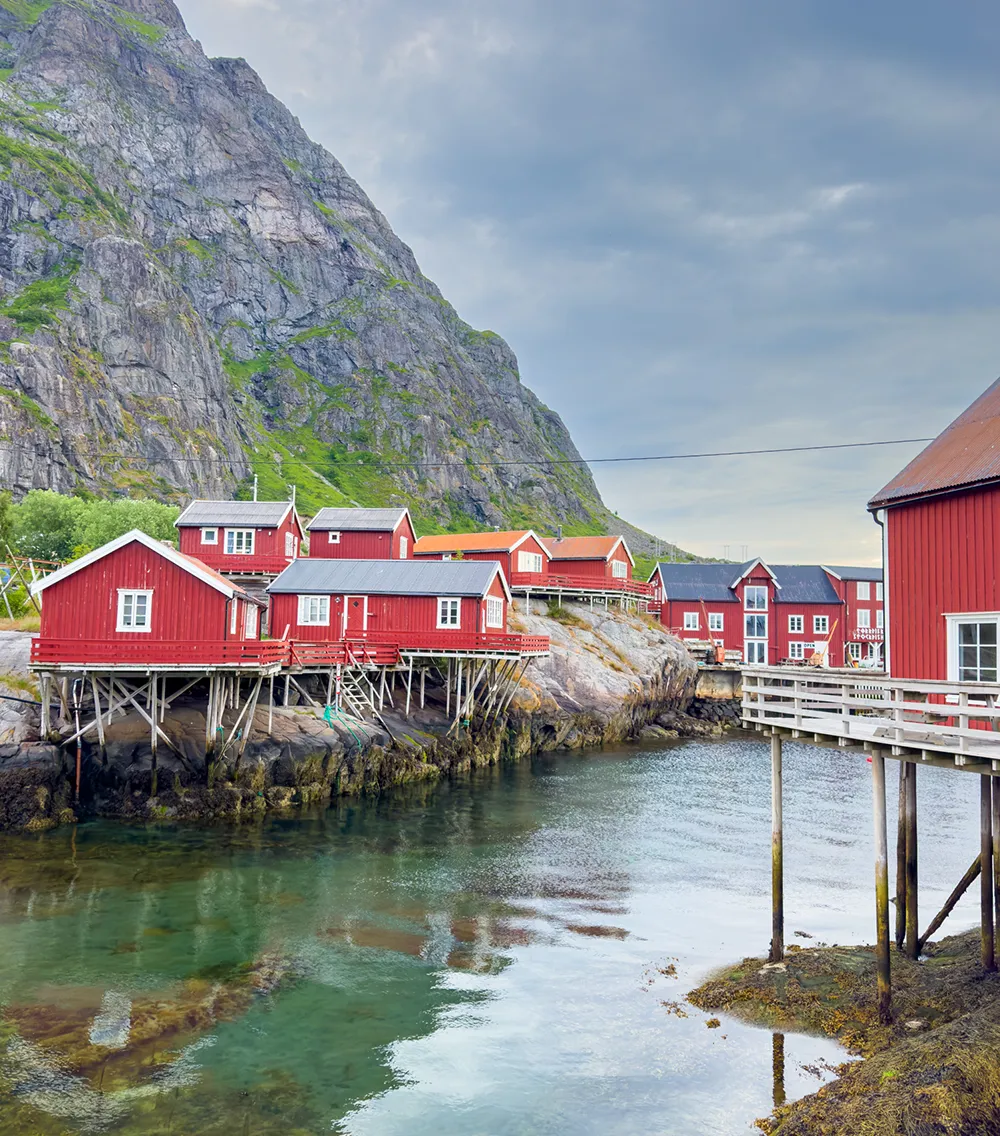
On day seven, we visited ร…, one of the most scenic fishing villages in Norway, located at the southern tip of the Lofoten archipelago. Walking through the village felt like stepping into a fairytale, with red wooden houses, fishing racks, and the sea surrounding everything.

Before starting the hike up Reinebringen, we stopped to try the famous cinnamon buns to get some extra energy. After that, we found a campsite where we could leave the van and began the hike. The trail consists of 1,978 stone steps leading all the way to the top. Itโ€™s a demanding climb, but the view from the summit is absolutely worth it.

Later that day, we went to Reine, one of the most picturesque villages in the area. After such an intense hike, walking through Reine and simply admiring the views felt like the perfect way to end the day.

Total driving hours: less than 1!

Day 8

On day nine, we had planned to do another demanding hike in Lofoten. However, Alexandra woke up with strong back pain and could barely move. The weather was also not on our side that day, so we decided to change plans and take things slower.

We went to Nusfjord, one of the oldest fishing villages in Lofoten, and spent some time walking around and exploring the area. Later, we walked along the beach nearby. The white sand and crystal-clear blue water looked almost tropical and made you want to jump in, but the temperature was around 15ยฐC, which quickly changed our minds.

In the end, we stayed at Ose Camping, where we cooked dinner together with a group of Dutch travelers we had just met. That night felt special. Sleeping in nature, with the last thing you see before closing your eyes being an orange horizon, mountains, and pure silence, is a feeling thatโ€™s hard to describe and even harder to forget.

Total driving hours: 5!

Day 9

On day nine, we drove for about two hours from Ose Camping to Senja. From there, we started the hike up Segla Mountain, one of the most impressive peaks in the area. The hike is challenging but rewarding, with steep sections and incredible views over the fjords and the surrounding islands. Reaching the top feels like standing on the edge of the world.

The next day would involve a long drive all the way to Nordkapp, but we couldnโ€™t wait. The excitement of finally reaching the northernmost point of the journey made the distance feel lighter already.

Total driving hours: 7!

Day 10

On day ten, we saw reindeer for the first time โ€” calmly walking near the road, completely unbothered. Not long after, we finally reached Nordkapp, the point we had been slowly moving toward since the beginning of the trip. Standing there, 307 meters above the Arctic Ocean, felt unreal. The cliffs drop straight into the sea, and the feeling of being at the edge of Europe is impossible to describe properly.

That day involved many hours of driving, and we drove even more after leaving Nordkapp to shorten the distance for the days ahead. In the end, we slept about two hours away from Nordkapp, exhausted but happy after finally reaching our goal.

Total driving hours: 8!

Day 11 - 14

After visiting Nordkapp, we stopped at the Arctic Circle Center, marking another symbolic point of the journey. From there on, the remaining days were mostly spent on the road, with many long hours of driving so we could make it back to Oslo on time.

Even though we were driving a lot, it never stopped us from enjoying each day. We cooked our own meals, did plenty of wild camping, and continued living at our own pace. From time to time, we also stayed at regular campsites โ€” mostly to take a proper shower and recharge the van with electricity and water. It felt like a good balance between freedom and comfort as the trip slowly came to an end.

Best Time to Visit Norway

Based on our experience, summer is the best time to visit Norway, especially if youโ€™re planning a road trip or traveling by van. Long daylight hours make it easier to drive, hike, and explore without feeling rushed. In the north, the midnight sun means it never fully gets dark, which gives you a strange but amazing sense of having endless time.

Most hiking trails are accessible during summer, mountain roads are open, and ferries run frequently. The weather can still change quickly, but overall conditions are more forgiving, especially for long drives and outdoor activities.

That said, summer also means more people, particularly in popular places like Lofoten, Trolltunga, and Geiranger. Campsites can fill up quickly, and wild camping sometimes requires more patience. Even so, the freedom, the landscapes, and the light more than make up for it.

For us, traveling during summer allowed us to fully experience Norway โ€” from fjords and glaciers to Arctic landscapes โ€” and made this journey one of the most unforgettable trips weโ€™ve ever taken.

FAQ about Norway

Yes, Norway is generally expensive, especially for food, alcohol, and accommodation. Traveling by van, cooking your own meals, and using supermarkets can help keep costs lower.

Absolutely. Norway is one of the best countries for road trips. The roads are well maintained, the scenery is incredible, and the freedom to roam makes van life much easier, as long as you respect the rules.

Wild camping is allowed under the Allemannsretten law, but not close to houses or on private land. In popular areas, finding a spot can take time, especially in summer.

In northern Norway during summer, the sun doesnโ€™t fully set. It stays bright even at night, which can make sleeping harder but also makes the experience unforgettable.

Driving is easy but slow. Speed limits are low, roads can be narrow, and ferries are part of everyday travel โ€” especially along the west coast.

Layers. The weather can change quickly, so waterproof jackets, warm clothes, and good hiking shoes are essential.

Now that we have all the necessary information, itโ€™s time to start planning your trip! To help you get started, weโ€™ve compiled some helpful resources. By using our links to make purchases, youโ€™ll be supporting us at no extra cost to you.

We truly appreciate your support! โ™ฅ๏ธ

Travel Guides Europe
Travel Guides Europe arrow

No Comments

Post A Comment